Mindfulness Exercises for Anxiety
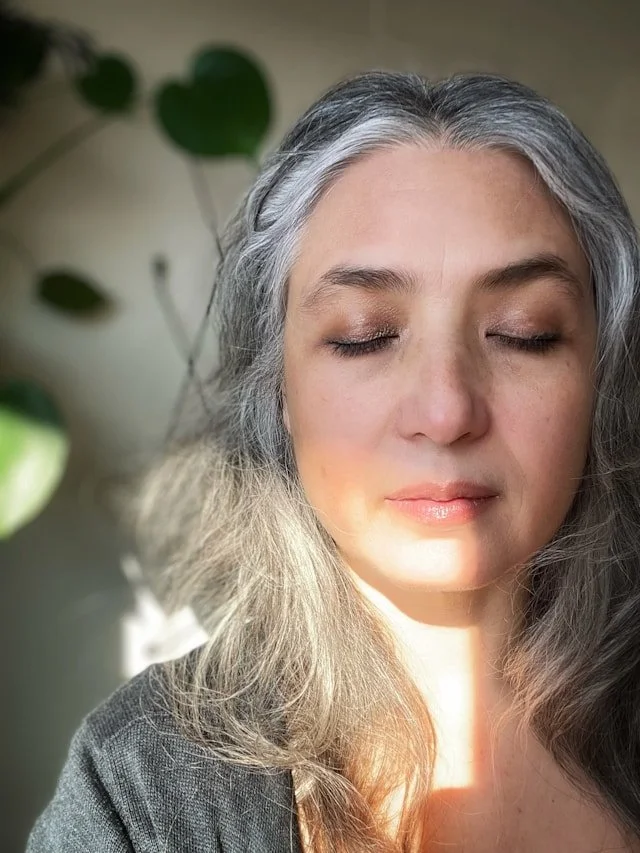
Photo by Natalia Jones on Unsplash
Think about the last time you were feeling anxious or experiencing anxiety.
You may have been fixated on a past event, interaction, or situation. This could mean questioning something you did or said, or even being mad about something that you didn’t say.
Or maybe you’re sitting in your feelings, worried about a rapidly approaching meetup, date, presentation, or deadline. Even though this will take place in the future, you can’t seem to shake these nerves.
A lot of anxiety comes from past and future experiences. This can make it difficult to live in the present moment and appreciate life as it currently stands. Luckily, mindfulness techniques can be a great way to bring the body and brain back to the present moment and help to reduce some of that anxiety you’re experiencing.
Here are some mindfulness exercises for anxiety.
Deep Breathing
When you experience anxiety, you may notice changes in your breathing. It may become more difficult to catch your breath, or your breathing may become more rapid. You can work to get your breathing back to a normal state by incorporating mindful breathing exercises. Implementing deep breathing exercises can help you become more aware of your breath and calm your nerves. There are many different breathing exercises like box breathing or the 4-7-8 technique, so try out a few and see what works best for you!
Complete a Body Scan
When everything feels a little out of your control, a body scan can help bring your body and mind back to the present moment. Body scans are also beneficial in making you more aware of any physical sensations occurring in the body. Sit down or lie on the floor and get into a comfortable position. Bring attention to different parts of your body, from your toes all the way to your head. Look for any tension or tightness that could be contributing to these feelings of anxiety.
The 5-4-3-2-1 Method
The 5-4-3-2-1 Method is another great way to help keep you grounded and in the present moment. The next time you’re experiencing anxiety, try to look for and identify the following:
5 things you can see
4 things you can touch
3 things you can hear
2 things you can smell
1 thing you can taste
Go for a Walk Outside
Exercise is beneficial for one’s physical health, but it can also be extremely beneficial for one’s overall mental health and wellness. Movement helps to reduce stress and anxiety as well as to increase one’s general mood. Going for a walk outside can help you become more aware of your body in the present moment. The next time you’re feeling anxious, go for a walk and pay attention to how your body moves, the sights and sounds around you, and the sensation of your feet hitting the pavement.
Write in a Journal
Journaling can be a great activity to get out all of those anxious thoughts and feelings in the moment you’re feeling anxiety. Instead of holding onto these feelings or letting those thoughts keep circling in your head with nowhere to go, you can use a pen and the pages of a journal to release them. This is a beneficial practice to help reduce anxiety at the moment, but it can be equally beneficial as a tool to look back on when you’re in better headspace. Your journal can help you determine any potential triggers or coping mechanisms that may have worked or didn’t work for you. This can help you be more prepared to deal with future incidents.
Next Steps
Mindful exercises are a great way to help you take back control of your anxiety. Even though anxiety is common and even normal to experience from time to time, if it feels like you no longer have control, seeking additional help is always recommended. Reach out today to learn how working with a psychologist on anxiety can help you regain control and move forward in your life again.